
"Kaffa region"
300 article(s) found

Learn that the name Coffee comes from kaffa in Ethiopia
Ethiopia in East Africa means the land inhabited by people tanned by the sun in ancient Greek. Ethiopia's unique cultural tradition, spectacular scenery, pleasant climate, rich animal and plant resources, important places of interest, hospitality and friendly people make it one of the major tourist destinations in Africa. Do you know? The root of coffee is in Ethiopia. allegedly

Brief introduction of Coffee from Ethiopia
Lim G2 Ethiopia is the hometown of Arabica coffee, and you can see wild Arabica coffee in the forests of the Kaffa region. In Ethiopian, coffee is called Bun or Buna, and coffee beans (coffee bean) may be translated from Kaffa Bun. Arabica coffee has long been found in the Harald area, which is very accessible.
The name Coffee comes from kaffa in Ethiopia.
Ethiopia in East Africa means "land inhabited by people tanned by the sun" in ancient Greek.

Ethiopian coffee brand Lakamuti Lekempti how's the coffee? is it good?
Professional coffee knowledge exchange more coffee bean information please follow the coffee workshop (Wechat official account cafe_style) Kaffa District, the birthplace of Ethiopian coffee, in 6 districts, namely Harrar, Limu, Sidamo, Yirgacheffe, Lekempti, Kaffa. And this time, the Nekempti or Lekempti we entered in Lekampi all refer to the same region. In recent years,

Unique Ethiopian Coffee Estate Boutique Coffee Bean Cultivation Location Climate Sea
Ethiopia is home to Arabica coffee, and it is in the forests of the Ethiopian Kaffa region that you can see Arabica coffee growing wild. In Ethiopian, coffee is called Bun or Buna, and coffeebean may be translated from Kaffa Bun. Arabica coffee was discovered early in the Harar area and is likely to come

What are the functions of Arabica coffee
Following caf é (Wechat official account vdailycom) found that Beautiful Caf é opened a small shop of its own Ethiopia is the hometown of Arabica coffee, it is in the forests of the Kaffa region that you can see wild Arabica coffee. In Ethiopian, coffee is called Bun or Buna, and coffee beans (coffeebean) may be turned from Kaffa Bun

Coffee culture common sense Coffee name comes from Ethiopian kaffa
Ethiopia in East Africa means the land inhabited by people tanned by the sun in ancient Greek. Ethiopia's unique cultural tradition, spectacular scenery, pleasant climate, rich animal and plant resources, important places of interest, hospitality and friendly people make it one of the major tourist destinations in Africa. Do you know? The root of coffee is in Ethiopia. allegedly

The name of coffee comes from Coffee, which comes from kaffa in Ethiopia.
Ethiopia in East Africa means the land inhabited by people tanned by the sun in ancient Greek. Ethiopia's unique cultural tradition, spectacular scenery, pleasant climate, rich animal and plant resources, important places of interest, hospitality and friendly people make it one of the major tourist destinations in Africa. Do you know? The root of coffee is in Ethiopia. allegedly

Ethiopian coffee roasting
Following caf é (Wechat official account vdailycom) found that Beautiful Caf é opened a small shop of its own Ethiopia is the hometown of Arabica coffee, it is in the forests of the Kaffa region that you can see wild Arabica coffee. In Ethiopian, coffee is called Bun or Buna, and coffee beans (coffee bean) may be from Kaffa Bun

A brief introduction to boutique coffee beans and Ethiopian coffee
Lim G2 Ethiopia is the hometown of Arabica coffee, and you can see wild Arabica coffee in the forests of the Kaffa region. In Ethiopian, coffee is called Bun or Buna, and coffee beans (coffee bean) may be translated from Kaffa Bun. Arabica coffee has long been found in the Harald area, which is very accessible.

Flavor characteristics of Ethiopian Bancimaji Coffee introduction to the planting method of Ethiopian Coffee
Professional coffee knowledge exchange more coffee bean information please follow the coffee workshop (Wechat official account cafe_style) in 1995, Ethiopia redivided the area into 9 states (Region) and 2 municipalities directly under the Central Government (Addis Abba and Dire Dawa). Most of the former Sidamo provinces were classified into OROMIA states, while a small number (Sidama, Gedeo) plus Kaffa were classified as new.

Coffee Historical Origin Development Culture Ethiopian Coffee Culture Coffee Origin Myth
Coffee was first found in the Kaffa region of southwestern Ethiopia, and it is said that a shepherd named Kaldi found that his goat behaved strangely after eating cherries he found growing on a tree there. Kaldi personally tasted the cherries and shared them with his neighbors, who all felt a similar effect and were significantly more energetic. Ethiopia

Ethiopian coffee flavor description processing characteristics of varieties of production area taste processing introduction
In the southwestern highlands of Ethiopia, the Kaffa, Sheka, Gera, Limu and Yayu Senli coffee ecosystems are considered home to Arabica coffee. These forest ecosystems are also home to a variety of medicinal plants, wildlife, and endangered species, large coffee farming villages.
Coffee legend the origin of charcoal-roasted coffee Sumatra Aceh coffee
Charcoal roasted coffee-it is said that there are different legends about how humans first discovered the edible fruit of coffee. Which one prevails? It's hard to be sure. However, there is a legend that is more frequently quoted because it is similar to the pronunciation of the name coffee: I do not know how many years ago, in the Kaffa region of southwestern Ethiopia, there were shepherds herding sheep through a forest, and the sheep grazed trees.
Coffee legend The origin of charcoal coffee Sumatra Aceh coffee
Charcoal Coffee-Legend of how humans first discovered coffee fruit for consumption. There are various legends. Which one is more accurate? It's hard to be sure. However, one legend is often cited because of its close pronunciation: Many years ago, shepherds grazed sheep through a forest in the Kaffa region of southwestern Ethiopia, Africa, and the sheep ate the trees

What is Ethiopian Buna coffee? Introduction of Sidamo Hanggut Hunkute Coffee Cooperative
Professional coffee knowledge exchange more coffee bean information please follow the coffee workshop (Wechat official account cafe_style) Ethiopia is the hometown of Arabica coffee, it is in the forests of Ethiopia's Kaffa region that you can see wild Arabica coffee. In Ethiopian, coffee is called Bun or Buna, coffee beans (coffeebean

Introduction to the Variety characteristics of Coffee Flavor description method in Sidamo Shachisuo, Ethiopia
Sidamo coffee beans Ethiopia is the hometown of Arabica coffee, and it is in the forests of the Kaffa region that you can see wild Arabica coffee. In Ethiopian, coffee is called Bun or Buna, and coffee beans (coffeebean) may be translated from Kaffa Bun. Arabica was discovered early in Harald (Harar).

Brief introduction of Ethiopian Coffee the hometown of Arabica Coffee
Lim G2 Ethiopia is the hometown of Arabica coffee, and you can see wild Arabica coffee in the forests of the Kaffa region. In Ethiopian, coffee is called Bun or Buna, and coffee beans (coffee bean) may be translated from Kaffa Bun. Arabica coffee has long been found in the Harald area, which is very accessible.
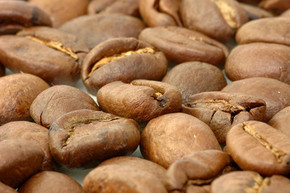
Introduction to the hometown of Arabica Coffee and Ethiopia Coffee
Following caf é (Wechat official account vdailycom) found that Beautiful Caf é opened a small shop of its own Ethiopia is the hometown of Arabica coffee, it is in the forests of the Kaffa region that you can see wild Arabica coffee. In Ethiopian, coffee is called Bun or Buna, and coffee beans (coffeebean) may be turned from Kaffa Bun

Ethiopian Kocher Coffee Bean Taste Treatment Flavor Description Region of Origin
Ethiopian Kocher Coffee Bean Taste Treatment Flavor Description Growing Region Africa is the home of coffee. Coffee trees were most likely discovered in Ethiopia's KAFFA province. Later, groups of slaves were sold from Africa to Yemen and Arabia, and coffee was taken to various places along the way. Yemen certainly began in the 15th century or earlier.